
Knee pain that flares up on the stairs. A shoulder that aches every time you reach overhead. Back stiffness that greets you first thing in the morning. Or maybe a sudden twist during a game that left you unable to put weight on your ankle. Problems with our bones and joints have a way of quietly shrinking our world making everyday movement feel like a chore.
If you’ve been searching for an orthopedic hospital in Vasai, this guide will help you understand what an orthopedic doctor does, the conditions they treat, the warning signs worth acting on, and how to choose the right care. The aim is to help you move more comfortably and make informed decisions about your health.
What Is Orthopedics, and What Does an Orthopedic Doctor Do?
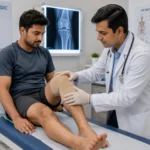
Orthopedics is the branch of medicine that deals with the musculoskeletal system your bones, joints, muscles, ligaments and tendons. An orthopedic doctor, sometimes spelled orthopaedic (and also called an orthopedist or bone and joint specialist), diagnoses and treats injuries and diseases affecting these parts of the body.
A common misconception is that seeing an orthopedic doctor means surgery. In reality, surgery is usually a last resort. A skilled bone and joint specialist in Vasai or anywhere else will often begin with non-surgical treatments such as medication, physiotherapy, braces or injections, turning to surgery only when it offers the best outcome.
Orthopedic doctors treat patients of all ages from children with growth-related conditions to older adults managing arthritis, and active people recovering from sports injuries.
Common Conditions an Orthopedic Doctor Treats
People visit an orthopedic doctor in Vasai West and the wider Palghar area for a wide range of concerns. Some of the most common include:
- Arthritis, including osteoarthritis (wear-and-tear of the joints)
- Fractures (broken bones) and dislocations
- Sprains, strains and ligament injuries
- Back and neck pain
- Sports injuries, such as ligament tears
- Osteoporosis, which weakens bones and raises fracture risk
- Tendonitis and overuse injuries
- Joint problems in the knees, hips, shoulders and hands
Osteoarthritis is the most common form of arthritis. It develops when the cartilage that cushions the joints wears down over time, most often affecting the knees, hips, hands and spine. While the joint damage itself can’t be reversed, symptoms can usually be managed well with the right care.
Symptoms and Warning Signs Worth Watching
Occasional aches after activity are normal, but some signs suggest it’s time to seek help. You may want to consult an orthopedic doctor if you have:
- Joint or bone pain that lasts more than a couple of weeks
- Pain that worsens over time or interferes with daily life
- Swelling, redness or warmth around a joint
- Stiffness, especially in the morning or after resting
- Difficulty walking, climbing stairs, lifting or reaching
- Reduced range of motion in a joint
- Visible deformity in a limb or joint
Certain situations need prompt attention. Severe pain after a fall or injury, an obvious deformity, inability to bear weight or move a limb, or a joint that is hot, swollen and very painful should be checked without delay. These can point to a fracture, dislocation or infection that needs timely treatment.
Causes and Risk Factors
Orthopedic conditions don’t have a single cause, and having a risk factor doesn’t mean a problem is inevitable. Injuries can result from sports, accidents, overuse or repetitive strain at work. Age plays a role in wear-and-tear conditions like osteoarthritis. Other factors — such as being overweight, low physical activity, poor posture, and in the case of osteoporosis, hormonal changes and certain lifestyle factors — can increase the chances. Awareness simply helps you and your doctor stay watchful and act early.
How Orthopedic Conditions Are Diagnosed
Reaching a clear diagnosis usually involves a few straightforward steps. An orthopedic doctor will typically:
- Ask about your symptoms, activity and medical history
- Examine the affected area and check your range of motion
- Order X-rays to look at bones and joints
- Recommend scans such as an MRI or ultrasound if needed
- Sometimes take a fluid sample or blood test to find the cause
The exact tests depend on your situation. Your doctor will only recommend what genuinely helps in reaching the right diagnosis.
Treatment Options
There’s no one-size-fits-all treatment in orthopedics. The right approach depends on the condition, its severity, your age, your activity level and your overall health. Generally, orthopedic doctors try non-surgical options first, which may include:
- Rest, ice, compression and elevation for acute injuries
- Pain-relief medication and anti-inflammatories
- Physiotherapy to restore strength and movement
- Braces, splints or supports
- Injections, such as corticosteroids, in some cases
When these aren’t enough, surgery may be considered. This can range from repairing a fracture with pins or plates to procedures like knee and hip replacement in Vasai, where a damaged joint is replaced to relieve pain and restore mobility. Your surgeon will explain the options so you can decide together.
Why Timely Care Matters
Acting early often makes treatment simpler and recovery smoother. Ignoring persistent joint pain or an injury can sometimes lead to more serious problems and longer recovery times. Early diagnosis of conditions like osteoarthritis allows treatment to begin sooner, which may help slow progression and protect long-term mobility. Timely care doesn’t guarantee a particular result, but it usually gives you more choices.
Risks and Limitations to Understand
Every treatment carries some considerations. Medications and injections can have side effects, and any surgery comes with risks such as bleeding, infection or a period of reduced mobility during recovery. These risks vary from person to person depending on health status and the specific procedure. A good orthopedic doctor will discuss the likely benefits alongside the possible risks, so you know what to expect.
Recovery and Rehabilitation
Recovery in orthopedics is often a journey rather than a single event. Depending on the treatment, some conditions improve with a short course of physiotherapy, while surgeries such as joint replacement involve a longer, structured rehabilitation. Physiotherapy plays a central role in rebuilding strength, restoring movement and preventing future injury. Recovery time varies widely from person to person, and your care team is the best source of guidance for your specific situation.
Prevention and Everyday Joint Care
While not every condition can be prevented, some habits support bone and joint health for most people:
- Stay physically active to keep muscles and joints strong
- Maintain a healthy weight to reduce strain on joints
- Use correct technique when exercising or lifting
- Warm up before sport and physical activity
- Eat a balanced diet to support bone health
These are general suggestions, not personalised medical advice your doctor or physiotherapist can tailor guidance to your needs.
When Should You See an Orthopedic Doctor?
Knowing when to see an orthopedic doctor helps you act at the right time. It’s worth booking an appointment for pain that lasts more than a couple of weeks, swelling or stiffness that doesn’t settle, difficulty with everyday movement, or an injury that isn’t healing. For sports injury and fracture treatment in Vasai, prompt evaluation can make a real difference to how well you recover.
Seek immediate medical attention for severe pain after an injury, an obvious deformity, inability to move or bear weight on a limb, or a hot, swollen and very painful joint. These situations should not wait for a scheduled appointment.
How to Choose the Right Orthopedic Hospital in Vasai
When comparing options for an orthopedic hospital in Vasai, a few practical things help. Look for a hospital with a dedicated orthopedics service, access to diagnostics like X-ray and imaging, physiotherapy and rehabilitation support, availability of emergency care for injuries, and a team that explains your condition and options clearly. Good communication and follow-up care matter as much as the facilities themselves.
Why Consider Palladium Janseva?
Palladium Janseva Hospitals & Research Centre in Vasai West, Palghar, is a multispeciality hospital focused on accessible, patient-centred care. For people looking for reliable bone and joint care close to home, the hospital brings relevant services together from consultation and diagnostic support such as radiology and imaging to emergency and critical care when it’s needed for injuries.
Being locally based means residents of Vasai, Vasai West and nearby parts of Palghar can seek evaluation without travelling far. The appropriate treatment always depends on the individual’s condition and is determined by a qualified healthcare professional after a proper assessment.
Conclusion
Bone and joint problems are among the most common health concerns people face, and the good news is that most can be managed well especially when addressed early. Whether it’s nagging joint pain, a sports injury or a condition like arthritis, understanding what an orthopedic doctor does and knowing when to seek help puts you back in control of your movement and comfort. If pain or stiffness is holding you back, a conversation with a qualified doctor is always a sensible first step.
Struggling with joint pain, an injury or reduced mobility? Speaking with a qualified orthopedic doctor can help you understand the cause and the right next steps. To discuss your concerns, you can contact Palladium Janseva Hospitals & Research Centre in Vasai West, Palghar.
This article is for general information only and is not a substitute for professional medical advice. Please consult a doctor for guidance specific to your condition.
FAQs:
1. What does an orthopedic doctor treat? An orthopedic doctor treats conditions of the musculoskeletal system the bones, joints, muscles, ligaments and tendons. Common reasons to visit include arthritis, fractures, sprains, back and neck pain, sports injuries and joint problems.
2. Does seeing an orthopedic doctor mean I’ll need surgery? No. Surgery is usually a last resort. Orthopedic doctors typically try non-surgical treatments first, such as medication, physiotherapy, braces or injections, and only consider surgery when it offers the best outcome.
3. When should I see an orthopedic doctor for joint pain? Consider a visit if pain lasts more than a couple of weeks, worsens over time, or interferes with daily activities like walking or climbing stairs. Persistent swelling, stiffness or reduced movement are also worth checking.
4. What is osteoarthritis, and can it be cured? Osteoarthritis is the most common form of arthritis, caused by cartilage in the joints wearing down over time. The joint damage can’t be reversed, but symptoms can usually be managed well with the right treatment, exercise and weight management.
5. What tests are used to diagnose bone and joint problems? Common tests include a physical examination, X-rays, and scans such as MRI or ultrasound. In some cases, blood tests or a joint fluid sample may be used to identify the cause.
6. How long does recovery take after orthopedic treatment? It varies widely depending on the condition and treatment. A minor injury may improve in weeks, while a joint replacement involves a longer, structured rehabilitation. Your care team can give guidance for your specific situation.
7. What is the difference between an orthopedic doctor and a physiotherapist? An orthopedic doctor diagnoses and treats musculoskeletal conditions and can perform surgery. A physiotherapist provides rehabilitation through exercises and therapy to restore strength and movement, often working alongside the orthopedic doctor.
8. Can bone and joint problems be prevented? Not all can be prevented, but staying active, maintaining a healthy weight, using correct technique when lifting or exercising, and eating a balanced diet all support bone and joint health.
9. When is an orthopedic injury an emergency? Seek immediate care for severe pain after a fall or accident, an obvious deformity, inability to move or bear weight on a limb, or a joint that is hot, swollen and very painful. These may signal a fracture, dislocation or infection.
10. How do I choose an orthopedic hospital in Vasai? Look for a hospital with a dedicated orthopedics service, diagnostic facilities like X-ray and imaging, physiotherapy support, emergency care for injuries, and a team that explains your condition and options clearly.