
Best Urologist Hospital In Vasai Best Urologist Hospital In Vasai Best Urologist Hospital In Vasai Best Urologist Hospital In Vasai Best Urologist Hospital In Vasai Best Urologist Hospital In Vasai Best Urologist Hospital In Vasai Best Urologist Hospital In Vasai Best Urologist Hospital In Vasai Best Urologist Hospital In Vasai Best Urologist Hospital In Vasai Best Urologist Hospital In Vasai Best Urologist Hospital In Vasai Best Urologist Hospital In Vasai Best Urologist Hospital In Vasai Best Urologist Hospital In Vasai Best Urologist Hospital In Vasai Best Urologist Hospital In Vasai Best Urologist Hospital In Vasai Best Urologist Hospital In Vasai Best Urologist Hospital In Vasai Best Urologist Hospital In Vasai Best Urologist Hospital In Vasai Best Urologist Hospital In Vasai Best Urologist Hospital In Vasai Best Urologist Hospital In Vasai Best Urologist Hospital In Vasai Best Urologist Hospital In Vasai Best Urologist Hospital In Vasai Best Urologist Hospital In Vasai Best Urologist Hospital In Vasai Best Urologist Hospital In Vasai Best Urologist Hospital In Vasai
A burning sensation while passing urine. Waking up several times at night to use the bathroom. A dull ache in your lower back that you can’t quite explain. These are the kinds of things most of us tend to ignore, hoping they’ll settle on their own. Sometimes they do. But when urinary problems keep coming back or start affecting your daily life, it may be time to speak with a specialist.
If you’ve been searching for a urologist hospital in Vasai, you probably have questions: What does a urologist actually treat? Are my symptoms serious? When should I stop waiting and book an appointment? This guide walks you through the essentials of urology care in plain language, so you can make an informed decision about your health.
What Is Urology, and What Does a Urologist Do?
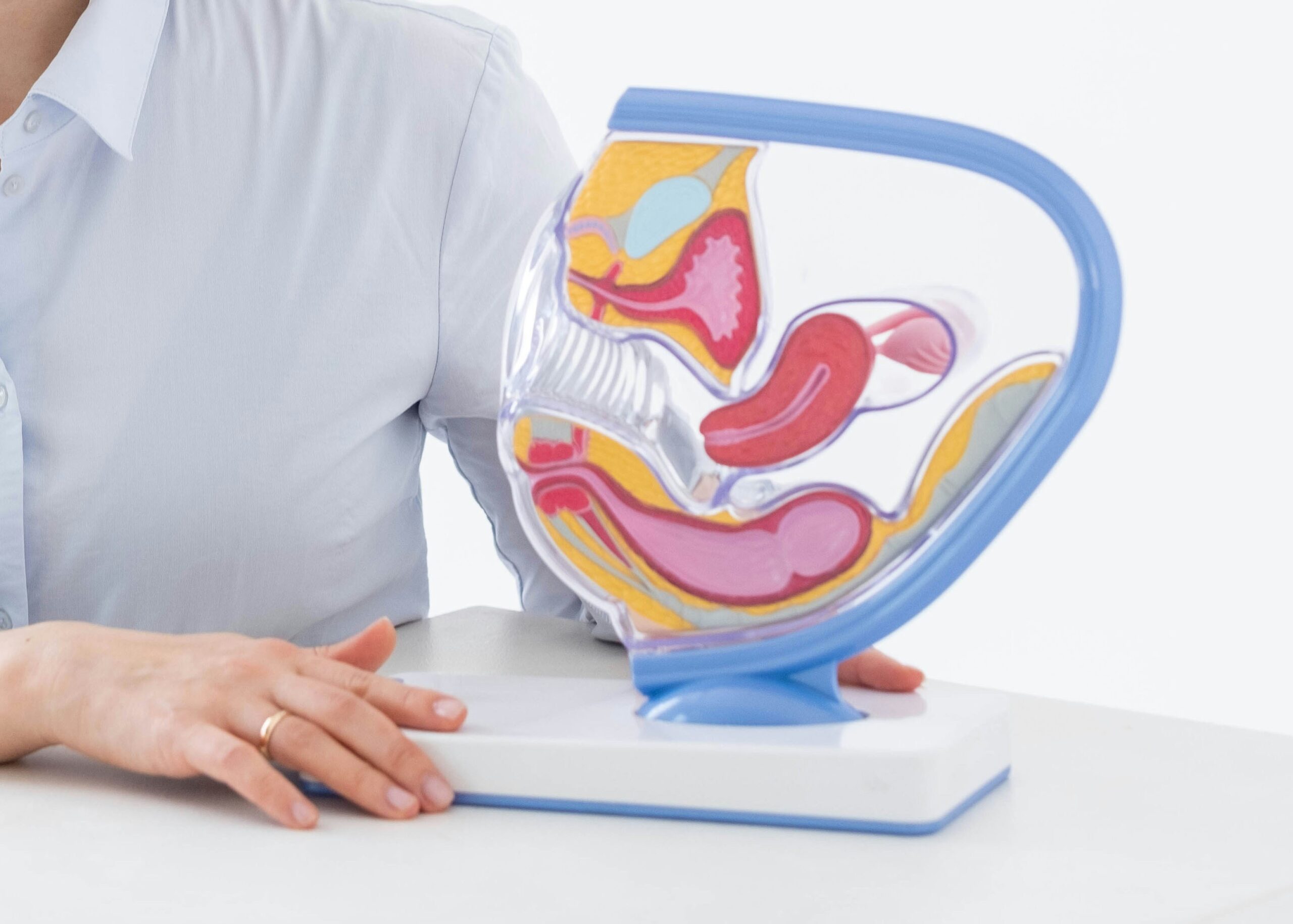
Urology is the branch of medicine that deals with the urinary system and, in men, the reproductive system. A urologist is a doctor who diagnoses and treats disorders of the kidneys, ureters, bladder, prostate and male reproductive organs. In women and children, this mainly covers the urinary tract; in men, it also includes the prostate and reproductive organs.
The urinary system is your body’s filtering and drainage network. Your kidneys clean waste from the blood and turn it into urine, which travels down the ureters to the bladder and finally leaves the body through the urethra. When any part of this system isn’t working properly, a urologist is the specialist trained to help.
It’s worth knowing that all urologists are trained as surgeons, but surgery isn’t always the answer. In fact, the British Association of Urological Surgeons notes that nine out of ten patients referred to a urologist don’t need surgery many conditions are managed with medication, lifestyle changes or minor procedures.
Common Conditions a Urologist Treats
People visit a urology hospital in Palghar and Vasai for a wide variety of reasons. Some of the most common conditions include:
- Kidney and ureteric stones, which are hard mineral deposits that can cause severe pain
- Urinary tract infections (UTIs), especially when they keep returning
- Enlarged prostate (BPH), a common cause of urinary trouble in older men
- Urinary incontinence, or leaking and loss of bladder control
- Blood in the urine (haematuria)
- Bladder, kidney and prostate cancers
- Male infertility and erectile dysfunction
Urologists treat patients of every age, from children with congenital issues to older adults managing prostate concerns.
Symptoms and Warning Signs to Watch For
Many urinary symptoms are mild and treatable, but some deserve prompt attention. You may want to consult a prostate and bladder specialist in Vasai if you notice:
- Pain or a burning feeling while urinating
- Needing to urinate more often than usual, or urgently
- Getting up multiple times at night to pass urine
- A weak or interrupted urine stream, or difficulty starting
- Lower back, side or lower abdominal pain
- A feeling that your bladder isn’t emptying completely
Certain signs should never be ignored. Blood in your urine pink, red or dark brown always needs to be checked by a doctor. While it’s often not caused by anything serious, blood in the urine must be investigated because it can sometimes be an early sign of cancer, which is easier to treat when found early.
Seek urgent medical care if you have severe, sudden pain in your side or groin, high fever with urinary symptoms, or if you are suddenly unable to pass urine at all. These can be signs of a stone blockage, infection or urinary retention that need immediate treatment.
Causes and Risk Factors
Urological conditions don’t have a single cause. Kidney stones, for example, are influenced by low fluid intake, diet and family history. UTIs often develop when bacteria enter the urinary tract. An enlarged prostate is closely linked to ageing the symptoms are caused by the prostate placing pressure on the bladder and urethra, which can affect urination in several ways.
Having a risk factor doesn’t mean you will definitely develop a condition. Factors such as age, family history, diabetes, obesity, dehydration and a sedentary lifestyle can raise the chances, but many people with these factors stay healthy. Awareness simply helps you and your doctor stay watchful.
How Urologists Diagnose the Problem
Reaching the right diagnosis usually involves a few straightforward steps. A urologist will typically:
- Ask about your symptoms, medical history and any medicines you take
- Perform a physical examination
- Order a urine test to check for infection or blood
- Recommend imaging such as an ultrasound or CT scan if needed
- Suggest blood tests, and for men, sometimes a PSA (prostate) test
In some cases, a small telescopic camera called a cystoscope may be used to look inside the bladder. The exact tests depend on your situation your doctor will only recommend what’s genuinely useful for your case.
Treatment Options
There’s no one-size-fits-all treatment in urology. The right approach depends on the condition, its severity, your age, your test results and your overall health. Broadly, treatment falls into a few categories:
- Lifestyle and dietary changes, often the first step for stones and mild bladder issues
- Medications, to treat infections, relax the bladder or shrink an enlarged prostate
- Minimally invasive procedures, such as shockwave therapy or laser treatment for stones
- Surgery, when it offers the best outcome for a particular problem
For someone weighing kidney stone treatment in Vasai, for instance, a small stone might pass naturally with fluids and medication, while a larger one may need a procedure. Your urologist will explain the options clearly so you can decide together.
Why Timely Care Matters
Acting early often makes treatment simpler. A small stone is easier to manage than one that has caused a blockage. An enlarged prostate treated in time can help protect the bladder and kidneys in later stages, benign prostate enlargement can lead to complications such as bladder stones, bladder infections and kidney damage. Early evaluation doesn’t guarantee any particular result, but it usually gives you more choices and a smoother path.
Risks and Limitations to Understand
Every treatment carries some considerations. Medications can have side effects, and procedures or surgery come with a small risk of bleeding, infection or discomfort. These risks vary from person to person depending on health status and the specific treatment. A good urologist will discuss the likely benefits alongside the possible risks, so you know what to expect before agreeing to any plan.
Prevention and Everyday Care
While not every condition can be prevented, some simple habits support urinary health for most people:
- Drink enough water through the day
- Don’t hold urine for long periods
- Maintain a balanced diet and healthy weight
- Stay physically active
- Practise good personal hygiene to reduce infection risk
For men over 50, discussing prostate health during routine check-ups can help catch changes early. These are general suggestions, not personalised medical advice — your doctor can tailor guidance to your needs.
When Should You See a Urologist?
Knowing when to see a urologist helps you act at the right time. Consider booking an appointment if you have ongoing urinary symptoms, repeated infections, difficulty urinating, or any change in your usual pattern that lasts more than a few days. Blood in the urine warrants a visit even if it happens once.
Go for immediate medical attention if you experience severe flank or abdominal pain, fever with chills and urinary symptoms, or a sudden inability to pass urine. These situations should not wait for a scheduled appointment.
How to Choose the Right Urologist Hospital in Vasai
When comparing options for a urologist in Vasai West or the wider Palghar area, it helps to look at a few practical things: whether the hospital has a dedicated urology service, access to diagnostic tests like ultrasound and lab investigations, availability of emergency care, and a team that takes time to explain your condition. Rather than searching only for the “best” name, focus on care that is accessible, thorough and clear with you about your choices.
Why Consider Palladium Janseva?
Palladium Janseva Hospitals & Research Centre in Vasai West, Palghar, is a multispeciality hospital focused on accessible, patient-centred care. For people looking for a reliable urologist hospital in Vasai, the hospital brings relevant services together from consultation and diagnostic support such as radiology and imaging to emergency and critical care when it’s needed.
Being locally based means residents of Vasai, Vasai West and nearby parts of Palghar can seek evaluation without travelling far. The appropriate treatment always depends on the individual’s condition and is determined by a qualified healthcare professional after a proper assessment.
Conclusion
Urinary symptoms are common, and most have a clear, treatable cause. The key is not to dismiss changes that persist or worsen — especially blood in the urine, severe pain or difficulty passing urine. Understanding what a urologist does and knowing when to see a urologist puts you in a stronger position to protect your health. If something doesn’t feel right, a conversation with a qualified doctor is always a sensible first step.
Concerned about a urinary problem? Speaking with a qualified urologist can help you understand the cause and the right next steps. To discuss your symptoms, you can contact Palladium Janseva Hospitals & Research Centre in Vasai West, Palghar.
FAQs:
- What does a urologist treat?
A urologist treats conditions of the urinary system — the kidneys, ureters, bladder and urethra — as well as the male reproductive organs. Common reasons to visit include kidney stones, urinary infections, an enlarged prostate and blood in the urine. - When should I see a urologist instead of a general physician?
If you have ongoing urinary symptoms, repeated infections, blood in your urine, difficulty passing urine, or a known prostate or kidney issue, a urologist is the right specialist. Your general physician can also refer you when needed. - Is blood in the urine always serious?
Not always, but it should always be checked. It can be caused by infections or stones, and occasionally by more serious conditions, so a doctor will investigate to find the cause. - Do all kidney stones need surgery?
No. Many small stones pass on their own with plenty of fluids and medication. Larger stones or those causing a blockage may need a procedure. Your urologist decides based on the stone’s size and location. - Is an enlarged prostate the same as prostate cancer?
No. An enlarged prostate (BPH) is a non-cancerous condition, though some symptoms can overlap with other prostate problems. That’s why proper evaluation, sometimes including a PSA test, is important. - Can urinary problems be prevented?
Some can be reduced by staying well hydrated, not holding urine for long, eating a balanced diet and staying active. Not every condition is preventable, but healthy habits help. - What tests might a urologist recommend?
Common tests include a urine test, blood tests, ultrasound or CT imaging, and sometimes a cystoscopy to look inside the bladder. The tests depend on your symptoms. - Is a urology consultation only for men?
No. Urologists treat women, men and children. Many urinary conditions, including UTIs and incontinence, are common in women too. - How do I choose a urologist hospital in Vasai?
Look for a hospital with dedicated urology services, diagnostic facilities, emergency care and a team that explains your condition clearly. Accessibility and quality of care matter more than labels. - What are the urgent warning signs I shouldn’t ignore?
Severe pain in the side or groin, fever with chills alongside urinary symptoms, and a sudden inability to pass urine all need immediate medical attention.